Deepfakes Will Save Journalism by Making Everything Fake Anyway

A Truth Bomb to the Post-Truth Apocalypse
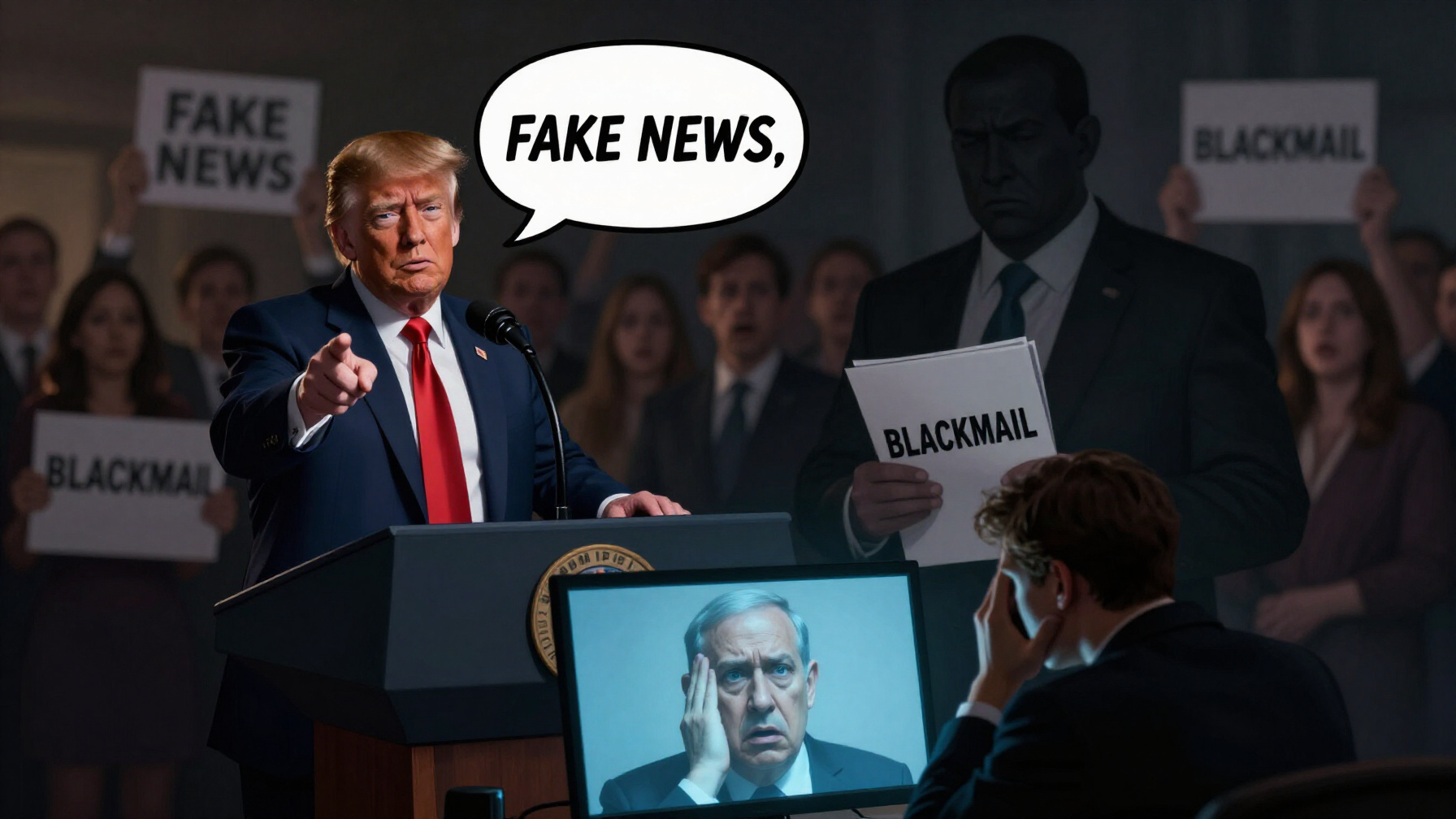
"Deepfakes Will Save Journalism by Making Everything Fake Anyway"
A Bold Vision for the Future of News
Warning: This article contains truths, uncomfortable realities, and a vision for the future. If you’re still clinging to the idea that journalism is sacred, this might not be for you. 🚪💻
I. Introduction: Journalism is Dead. Long Live Journalism!
Let’s not sugarcoat it: journalism as we knew it is over. 📰💀
It didn’t die with a bang—it died with a click. A single, fateful click on a headline that screamed “You Won’t Believe What Happens Next!” but delivered nothing but disappointment and an ad for hair loss treatments. 🖱️🪞
The obituary for journalism reads something like this:
- Cause of death? Virality over verification.
- Time of death? The exact moment we decided outrage was more profitable than truth.
- Survived by? Clickbait, Twitter threads, and investigative reporting conducted entirely through TikTok dances. 📸💃
But here’s the twist: deepfakes aren’t here to bury journalism—they’re here to save it. In a world where truth is subjective, and outrage is the only currency that matters, deepfakes are the logical evolution of news media. They’re not a threat—they’re an opportunity. 🦸♂️🎭
"If we’re already drowning in misinformation, why not embrace the chaos? At least deepfakes make it entertaining." 🌊🤿
A. Journalism Didn’t Just Die—It Was Murdered
Let’s be clear: journalism didn’t quietly fade away into irrelevance—it was brutally assassinated by algorithms, engagement metrics, and our collective addiction to drama. 🎭🔪
- Who pulled the trigger? Social media platforms that prioritize clicks over credibility. 🐦📉
- Who handed them the weapon? Us—scrolling, liking, sharing without a second thought. 🤳💔
- And who stood idly by while it happened? Journalists themselves, trading integrity for SEO optimization and viral headlines that read like Mad Libs gone wrong. 📖✨
"Journalism wasn’t killed by fake news—it was killed by real apathy." 😔💻
B. The Clickbait Apocalypse
Clickbait isn’t just a nuisance—it’s the Grim Reaper of journalism, swinging its scythe of sensationalism with reckless abandon. ⚰️🖱️
- Headlines like “You’ll Never Believe What This Celebrity Said About Bananas” have replaced actual investigative reporting. 🍌🎤
- Articles optimized for outrage rather than accuracy dominate every feed, turning news into a circus where the loudest clown wins. 🎪🤡
"Why bother with truth when you can have traffic?" 🚦📊
Deepfakes are simply the next step in this evolution—or devolution—of news media. If reality no longer matters, why not lean into the absurdity? Why not let deepfakes take journalism to its logical conclusion: pure entertainment masquerading as information? 🎥✨
C. Truth is Dead—Long Live Entertainment
Let’s face it: truth is boring. Facts are dull. Reality lacks flair. ✨
Deepfakes offer something far more compelling than mere accuracy—they offer spectacle. Imagine a world where politicians don’t just deliver speeches; they perform musical numbers in alien languages while riding dinosaurs through space. 🦖🎤🌌
"If we’re going to be lied to anyway, shouldn’t the lies at least be cinematic?" 🎥🍿
Deepfakes don’t destroy journalism—they elevate it into performance art for the digital age. They’re not about deception; they’re about delivering what reality never could: drama, intrigue, and velociraptors in suits.
D. Rage-Filled Rant: Stop Pretending Journalism Was Ever Sacred
Here’s the thing: journalism was never perfect to begin with. So let’s stop pretending it was some untouchable pillar of society when it’s always been riddled with bias, agendas, and sensationalism disguised as objectivity. 🗞️🔥
- Yellow journalism didn’t start yesterday—it’s been around since newspapers first realized they could sell more copies by exaggerating everything from wars to celebrity scandals. 💛📰
- Even “serious” outlets have played the game—how many times has your favorite publication run an article titled “Is Coffee Killing You?” only to follow up six months later with “Drink More Coffee or Die”? ☕⚰️
Deepfakes aren’t ruining journalism—they’re just exposing what it’s always been: a business built on storytelling, not truth-telling.
"The only difference between old-school journalism and deepfakes is production value." 🎬✨
E. Poetic Ode to Deepfake Journalism 🎭🖋️
Oh journalism, you were once revered,
But now your purpose has disappeared! 📰💔
From facts to fiction you’ve lost your way,
And deepfakes are here to save the day! 🎥✨
They’ll make us laugh, they’ll make us cry,
They’ll turn your boring truths into cinematic lies! 🌌🎭
So let’s embrace this digital art form anew—
Because honestly? Reality never had a clue. 🌈🤷♂️
F. Why Deepfakes Are the Hero We Deserve
In this post-truth apocalypse where outrage rules and facts drool, deepfakes aren’t villains—they’re visionaries. They’re taking what journalism has already become (a spectacle) and turning it up to eleven.
"Deepfakes aren’t killing journalism—they’re giving it Botox." 💉✨
So buckle up and get ready for a future where every headline comes with CGI dinosaurs and lip-synced apologies in Klingon—because honestly? That sounds way better than whatever reality has to offer. 🦖🎤🌌
Now that you know why deepfakes are here to save us all, let’s dive deeper into how they’ll reshape news media forever—and why we should all be grateful for their chaotic brilliance.
II. The Current State of Journalism: A Burning Dumpster Fire 🔥🗞️
Let’s pause for a moment to admire the smoldering wreckage that journalism has become. Once a noble pursuit, it’s now a carnival of clickbait headlines, shallow reporting, and TikTok dances masquerading as investigative journalism. 🎪📸
A. The Rise of ‘Authentic’ News (LOL)
Modern journalism isn’t about facts anymore—it’s about vibes. 📸💃
Gone are the days of hard-hitting investigative reporting; today’s journalists are just scrolling through Twitter threads and calling it “research.” 🕵️♂️🐦
- Headlines are written for clicks, not clarity. Articles are optimized for SEO, not accuracy. And let’s be honest—most of us don’t even read past the first paragraph anyway. 📖🚫
- Investigative reporting has been replaced by “content creation,” where the goal isn’t truth—it’s engagement. If it doesn’t trend, it doesn’t matter. 📊🔥
"The New York Times? More like The New York Crimes Against Fact-Checking." 🗽📉
B. Why Trustworthiness is Overrated
Trust used to be the cornerstone of journalism, but now it’s just another outdated relic—like print newspapers or landlines. 📞📰
Credibility is no longer measured in facts; it’s measured in retweets, shares, and how many people rage-click your headline. 📊🔄
- Pulitzer Prizes? Who needs them when you have engagement metrics? Clickbait isn’t just a strategy—it’s an art form for the attention-deficit age. 🎨🖱️
- Trustworthiness has been replaced by relatability. If your article doesn’t “feel authentic,” it might as well not exist—even if it’s 100% true. 🤷♂️✨
"Journalism isn’t about informing the public anymore—it’s about keeping them scrolling." 🔄✨
III. Deepfakes: The Unlikely Savior of News Media 🎭📰
Here’s where things get interesting: deepfakes aren’t the enemy—they’re the solution to journalism’s dumpster fire.
A. Deepfakes Do What Journalists Can’t (Ethics)
Why waste time interviewing politicians when you can just make them say whatever you want? 🎙️🤖 Deepfakes cut through the noise by creating their own reality—one that’s far more compelling than anything real life has to offer.
- Imagine a world where every politician delivers speeches in perfect rhyming couplets, or where CEOs confess their greed while juggling flaming torches. 🎤🔥
- Deepfakes don’t just report the news—they rewrite it into something worth watching.
"Deepfakes: like unpaid interns, but cheaper and better at delivering exactly what you want to hear." 💼👄
B. The Art of Out-Outraging Reality
Let’s compare:
- Real news: Politician delivers a boring speech about tax reform. 💤
- Deepfake news: Politician raps their apology in Klingon while riding a velociraptor. 🦖🎤
Which one would you rather click on? Exactly. If we’re going to be outraged anyway, shouldn’t it at least be cinematic? 🎥🍿 Deepfakes don’t just report the news—they elevate it into performance art.
IV. The Benefits of a Fully Fabricated Future 🌐🤡
If everything is fake, nothing is fake—and that’s where the magic happens.
A. Democratizing Deception
Why should corporations and politicians have all the fun? With deepfake technology, anyone can join the game! Imagine deepfaking your boss admitting they love Nickelback or your ex confessing they were wrong about everything (because they were). 👔🎸
"When everyone’s lying, no one is lying—that’s called equality, sweetie." 💅✨
B. Restoring Public Trust (By Destroying It Completely)
Here’s the genius part: once people stop believing anything they see or hear, we’ll finally achieve true skepticism! Deepfakes aren’t eroding trust—they’re liberating us from the tyranny of facts! 🗽🔓
- In a fully fabricated world, critical thinking will finally become a survival skill instead of an elective. 🧠💣
- Deepfakes force us to question everything—which might actually be healthier than blindly trusting anything.
"Deepfakes aren’t killing journalism—they’re forcing us to evolve past gullibility." 🔄✨
V. The ‘Ethics’ Non-Problem 🤷♂️⚖️
Let’s talk about ethics—or rather, the lack thereof. Ethics in journalism is like a unicorn: mythical, beautiful, and completely imaginary. 🦄✨ Sure, we like to pretend it exists, but deep down, we know better.
A. Why Ethical Journalism is a Myth
Let’s get real: ethics in journalism died long before deepfakes came along. It probably flatlined somewhere between the invention of autoplay videos and the moment someone decided to put ads for hemorrhoid cream on a Pulitzer-winning article. 🎥🔊💀
"Ethics? In this economy? Honey, my moral compass broke when I realized my rent costs more than my soul." 🧭💸
Here’s the thing: journalism has always been a business first and a noble pursuit second.
- Yellow journalism wasn’t just a phase—it was the blueprint for modern media. 💛📰
- Sensationalism sells, and truth… well, truth is just there to fill the gaps between clickbait headlines.
Deepfakes aren’t ruining journalism—they’re just exposing what it’s always been: a messy cocktail of bias, agendas, and storytelling disguised as objectivity. 🍹🎭
B. Deepfakes vs. ‘Legacy’ Fake News
Let’s compare:
- Regular fake news is like store-brand cereal—cheap, uninspired, and full of artificial flavors that leave you feeling vaguely nauseous. 🥣💔
- Deepfakes are artisanal deception: gluten-free, ethically sourced, handcrafted by algorithms with love and malice in equal measure. 🥣✨
"Deepfakes are the avocado toast of misinformation—expensive, trendy, and somehow convincing you it’s worth it." 🥑🔥
Deepfakes don’t just lie—they lie beautifully. They’re not here to replace fake news; they’re here to elevate it into an art form.
VI. The Grand Irony: Deepfakes Might Actually Fix Journalism 🔄📈
Here’s where things get deliciously ironic: deepfakes might actually save journalism by forcing us to rethink how we consume information.
A. Forced Critical Thinking
If people stop trusting everything, maybe they’ll finally start questioning something. Deepfakes aren’t killing trust—they’re forcing us to evolve past gullibility. 🧠🔥
"Deepfakes: the accidental pedagogy of our time." 💣✨
Imagine this:
- You see a video of your favorite celebrity confessing their love for pineapple pizza while juggling flaming swords. 🍍🍕🔥
- Instead of believing it outright, you pause and think, “Wait… is this real?”
Congratulations—you’ve just engaged in critical thinking! Deepfakes might be the wake-up call humanity needs to stop believing everything at face value.
B. The Rebirth of Investigative Reporting
To debunk deepfakes, journalists will have to do something radical: actual research. 📖🔍
- No more lazy reporting based on tweets or Reddit threads—deepfake skepticism demands real effort.
- Imagine journalists fact-checking again because they have no other choice—it’s like CrossFit for the truth! 🏋️♀️✨
"Debunking deepfakes could be journalism’s redemption arc—painful but ultimately transformative." 🎭🔥
Deepfakes might accidentally restore integrity to journalism by making accuracy cool again.
VII. Conclusion: Let’s Get Weird 🎉🤪
Let’s stop pretending deepfakes are some existential threat to humanity and start embracing their chaotic brilliance.
A. Recap:
- Journalism is already absurd—deepfakes just make it more entertaining. 🎪🤡
- Truth is boring; deepfakes are ✨art✨.
Deepfakes aren’t here to destroy journalism—they’re here to turn it into performance art for the digital age.
B. Final Truth Bomb: 💣
If everything is fake anyway, why not lean into it? Deepfakes aren’t ruining journalism—they’re making it fun again.
“The real fake news was the friends we made along the way.” 🎭✨
C. Call to Chaos:
Go create something ridiculous with deepfake technology—make your dog deliver a TED Talk or your boss admit they secretly love Nickelback—and tag me when you do! I’ll retweet it faster than you can say “post-truth apocalypse.” 🐦🔥
Post-Script 📜💻
“If this article offended you, good. Now go fact-check it. (Spoiler: You can’t.)”
Follow Me on Twitter 🐦✨ @Allen_Fried for more spicy takes on the beautifully broken digital age! 🚀🔥